
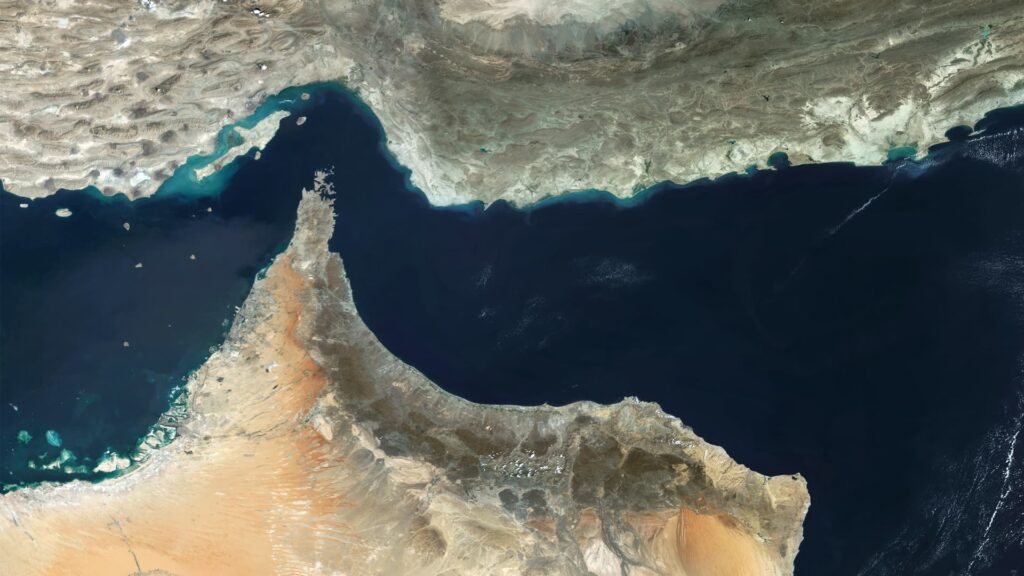
Iran Strait Threatens to Block Strategic Waterway
iran strait, the vital shipping lane that connects the Persian Gulf to the Gulf of Oman and the open sea, has become a focal point of tension between the United States and Iran. On Sunday, President Donald Trump issued a warning to Iranian leaders, threatening to block the strait unless they comply with American demands.
In an expletive-filled social media post, Mr. Trump warned that “Iran will be living in Hell” if it does not open the strait by Tuesday, citing concerns over safety and security. The tweet sparked widespread concern among international leaders and economic stakeholders, who are increasingly aware of the critical role the iran strait plays in global trade and energy supplies.
International Reaction to Trump’s Threats
The iran strait is a crucial artery for the export of oil from the Persian Gulf, which accounts for approximately 40% of the world’s total crude oil production. Any disruption to the flow of oil through the strait could have far-reaching consequences for global markets and economies. As such, international leaders are growing increasingly concerned about Mr. Trump’s threat to block the iran strait.
“We understand that there are tensions between the United States and Iran, but we cannot allow this situation to escalate,” said a spokesperson for the European Union in a statement on Monday. “The safety of maritime traffic is a shared concern among all nations, and we urge both sides to engage in constructive dialogue to resolve their differences.”
History of Tensions Over the iran strait
The iran strait has long been a source of tension between Iran and its neighbors, particularly Saudi Arabia and the United States. In recent years, tensions have escalated due to a series of incidents involving Iranian naval forces and international shipping vessels.
In 2019, a U.S. Navy destroyer was involved in a confrontation with an Iranian fast-attack boat in the iran strait, prompting President Trump to order retaliatory strikes against Iranian military targets. The incident marked a significant escalation in tensions between the two nations and highlighted the importance of the iran strait as a strategic waterway.
Economic Consequences of Disrupting the iran strait
The economic consequences of disrupting the iran strait could be severe, with global markets and economies potentially suffering significant losses. According to estimates by the International Maritime Organization, the average daily value of oil exports through the iran strait is approximately $20 billion.
Any disruption to these exports would not only have a direct impact on energy supplies but also contribute to a sharp increase in oil prices, which could have far-reaching consequences for global economies. The potential economic costs of such an event would be significant, with some analysts warning that the price of oil could rise by as much as $50 per barrel.
Conclusion
The iran strait is a critical component of global trade and energy supplies, and any disruption to its operation could have far-reaching consequences for international markets and economies. As tensions between the United States and Iran continue to escalate, it remains to be seen whether Mr. Trump’s threat to block the iran strait will be carried out.
One thing is certain, however: the fate of global trade and energy supplies hangs in the balance, and the world waits with bated breath as this critical situation unfolds.
As the standoff between the United States and Iran continues to unfold, the international community is holding its breath in hopes that a peaceful resolution can be reached. The consequences of disrupting the iran strait would be far-reaching, with global markets and economies potentially suffering significant losses.
The European Union’s spokesperson was right to urge both sides to engage in constructive dialogue to resolve their differences. A diplomatic solution would not only alleviate tensions but also provide a much-needed respite for the global economy. The potential economic costs of disrupting the iran strait could be catastrophic, with some analysts warning that the price of oil could rise by as much as $50 per barrel. Related: Learn more about this topic.
The strategic importance of the iran strait cannot be overstated. It is a critical component of global trade and energy supplies, and any disruption to its operation would have significant consequences for international markets and economies. The flow of oil from the Persian Gulf through the iran strait accounts for approximately 40% of the world’s total crude oil production. Any disruption to this flow could lead to a sharp increase in oil prices, which could have far-reaching consequences for global economies.
The incident involving the U.S. Navy destroyer and the Iranian fast-attack boat in 2019 highlighted the importance of the iran strait as a strategic waterway. The confrontation between the two naval vessels marked a significant escalation in tensions between the United States and Iran, and it serves as a stark reminder of the potential risks associated with navigating this critical region.
The international community is well aware of the potential consequences of disrupting the iran strait. In recent years, there have been several instances of naval vessels being intercepted or harassed by Iranian forces while transiting the strait. These incidents have highlighted the need for a diplomatic solution to the tensions between the United States and Iran.
One potential consequence of Mr. Trump’s threat to block the iran strait is the potential disruption to global trade and energy supplies. The flow of oil from the Persian Gulf through the iran strait is critical to meeting global demand, particularly in regions such as Europe and Asia. Any disruption to this flow could lead to a sharp increase in oil prices, which could have far-reaching consequences for global economies.
The potential economic costs of disrupting the iran strait would be significant. According to estimates by the International Maritime Organization, the average daily value of oil exports through the iran strait is approximately $20 billion. This represents a critical component of global energy supplies and would have significant implications for international markets and economies.
In conclusion, the situation with the iran strait is highly volatile and has significant implications for global trade and energy supplies. The threat to block the strait by Mr. Trump highlights the potential risks associated with navigating this critical region. The international community must remain vigilant and work towards a peaceful resolution to this crisis, lest we see a sharp increase in oil prices and potentially catastrophic consequences for global economies.
The world is holding its breath as this situation unfolds, and it remains to be seen whether Mr. Trump’s threat will be carried out. One thing is certain, however: the fate of global trade and energy supplies hangs in the balance, and the international community must work together to prevent a disaster from unfolding. The potential consequences of disrupting the iran strait are too severe to ignore, and it is imperative that diplomatic efforts are made to resolve this crisis peacefully.
As the situation continues to unfold, one cannot help but wonder what the future holds for the iran strait and its role in global trade and energy supplies. Will Mr. Trump’s threat be carried out, or will a peaceful resolution be reached? Only time will tell, but one thing is certain: the world is watching with bated breath as this critical situation unfolds.