
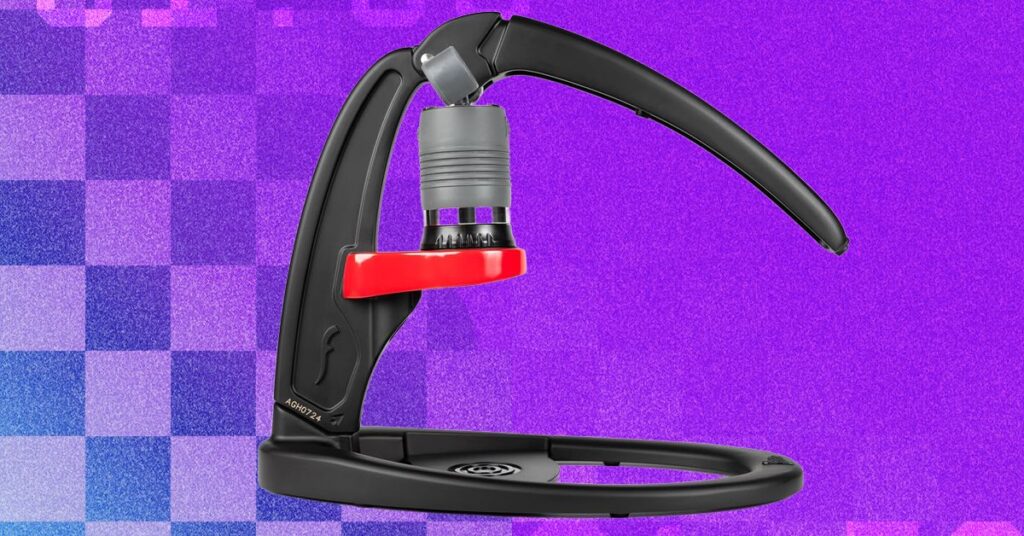
Manual Espresso Brew Experience Trumps Button-Pushed Technology
In an era where automation and convenience reign supreme, there’s a growing movement among coffee connoisseurs to rediscover the joys of traditional, manual brewing methods. For those who have experienced the rich flavors and nuances of expertly crafted espresso using a manual espresso machine, it’s clear that this labor-intensive approach is far superior to its button-pushed counterparts.
The Rewards of Manual Labor
There’s something special about crafting a shot of espresso by hand, where every movement, from grinding the beans to pouring the steaming water, requires deliberate attention and care. This hands-on process allows for a depth of control that automated machines simply can’t match. By engaging with the brewing process at a tactile level, manual espresso brew enthusiasts develop a profound appreciation for the intricacies of coffee extraction.
One of the primary advantages of manual espresso brew is its ability to coax out complex flavors and aromas from even the finest beans. Unlike automatic machines, which rely on pre-set parameters and automated temperature control, manual brewing allows for a precise adjustment of variables such as grind size, tamping pressure, and brewing time. This level of customization results in a more evenly balanced cup, with notes of chocolate and fruit emerging alongside the characteristic boldness of espresso.
Moreover, the sensory experience of manual espresso brew is unparalleled. As the machine hums to life, the aroma of freshly ground coffee fills the air, mingling with the sound of gurgling water and the gentle hiss of steam. Each pour is a ritualistic act, requiring focus and intention to coax forth the perfect shot. For those who have participated in this process, it’s an experience that fosters a deep connection with the raw materials – coffee beans, water, and machine – which come together in harmony to create something greater than the sum of its parts.
The Rise of Manual Brew Enthusiasm
A growing community of aficionados is embracing the manual espresso brew method as a more authentic and rewarding way to enjoy their favorite coffee drink. Social media platforms are filled with images of beautifully crafted shots, proudly displayed on bespoke wooden boards or in minimalist glassware. Online forums and blogs are abuzz with discussions about brewing techniques, machine preferences, and bean selection.
The appeal of manual espresso brew extends beyond the realm of aficionados, however. As concerns about sustainability and environmental impact grow, many consumers are seeking out more eco-friendly alternatives to their daily routines. Manual brewing machines, which often rely on manual labor rather than electricity or pumps, offer a guilt-free way to enjoy specialty coffee at home.
Furthermore, the rise of manual espresso brew has sparked a renewed interest in traditional craftsmanship and human connection. In an era where instant gratification and automation dominate our lives, there’s something deeply satisfying about the tactile experience of crafting a shot from scratch. For those who have rediscovered the joys of manual brewing, it’s an opportunity to slow down, appreciate the beauty of the process, and savor each sip with greater intention.
Related: Learn more about this topic.
A New Standard for Coffee Quality
As more consumers turn to manual espresso brew, a seismic shift is underway in the world of specialty coffee. Gone are the days when mass-produced espresso blends and automated machines were considered the pinnacle of quality. Today’s aficionados demand a level of expertise and craftsmanship that only manual brewing can provide.
Restaurants and cafes are beginning to take notice, too. As the popularity of manual brew grows, establishments are adapting their menus to feature expertly crafted shots made with precision and care. The traditional coffee shop experience is evolving, with baristas now seen as artisans rather than mere technicians.
As we move forward into a future where technology continues to advance at breakneck speed, it’s heartening to see that some of the most fundamental aspects of our daily lives – like the way we make and enjoy our favorite drinks – remain committed to timeless principles. The manual espresso brew experience may not be as flashy or efficient as its button-pushed counterpart, but for those who’ve discovered its rewards, there’s no going back.