
Iran Energy Crisis Spills Over to UK, Blamed on Trump and Putin for Rising Energy Costs
The Iran energy crisis has taken center stage once again, this time with far-reaching implications for the United Kingdom. The recent escalation in tensions between the US and Iran, coupled with Russia’s increasing influence in the region, has sent global energy prices soaring. The UK is not immune to these effects, with the cost of energy inflation reaching new heights.
The Strait of Hormuz, a crucial waterway for oil shipments from the Middle East, has effectively been closed by Iran in response to ongoing tensions between the US and its allies in the region. This move has resulted in an oil supply crunch, sending global energy prices into a tailspin. The UK, which relies heavily on imported oil, is among the countries most affected.
According to data from the UK’s Office for National Statistics (ONS), the cost of energy in the UK has increased by over 20% in the past year alone. This represents a significant increase from the previous year, when prices rose by just 5%. The sudden jump in energy costs has left households and businesses reeling.
The Global Impact of the Iran Energy Crisis
The Iran energy crisis is having far-reaching implications for the global economy. As oil prices rise, it becomes more expensive to produce goods and services, leading to higher inflation rates. This, in turn, can have a negative impact on economic growth, as consumers are forced to spend more on basic necessities.
The UK’s reliance on imported oil makes it particularly vulnerable to changes in global energy markets. The country’s energy sector is dominated by a handful of major suppliers, including BP and Shell. These companies are passing the increased costs on to consumers, leaving many feeling the pinch.
Brexit and the Iran Energy Crisis
The Iran energy crisis has also highlighted the challenges facing the UK’s post-Brexit energy landscape. With the country having left the European Union, it is no longer part of the EU’s energy market. This means that the UK must negotiate its own deals with suppliers, including those in the Middle East.
While some have argued that Brexit will allow the UK to secure better energy deals, this has not proven to be the case so far. The Iran energy crisis has shown that even small changes in global energy markets can have a significant impact on prices.
Blaming Trump and Putin for the Iran Energy Crisis
Related: Learn more about this topic.
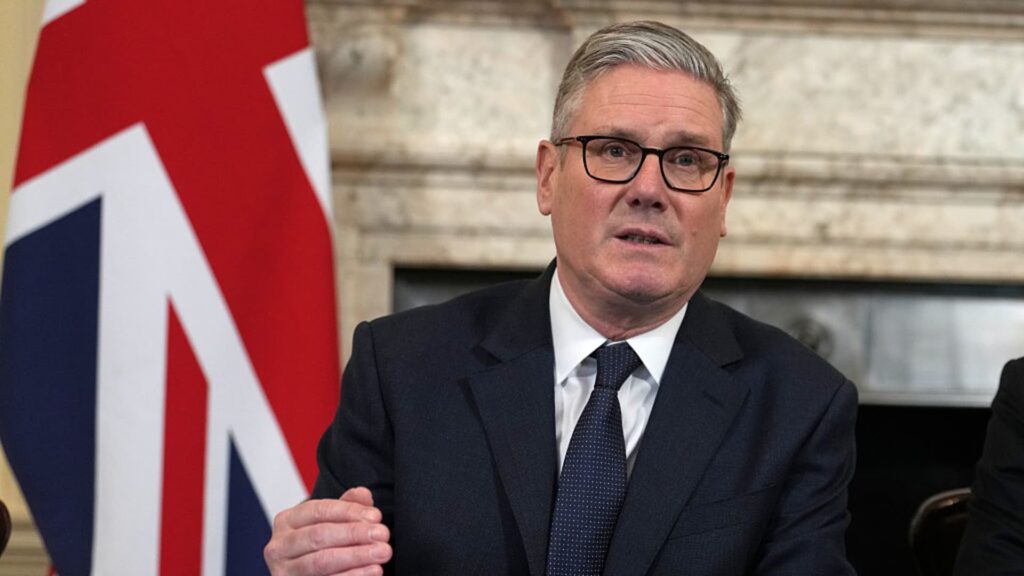
UK Labour leader Keir Starmer has blamed US President Donald Trump and Russian President Vladimir Putin for the rising energy costs faced by households and businesses across the UK. In a statement, Mr. Starmer said: “The Iran energy crisis is a direct result of the instability in the Middle East, which is being exacerbated by the policies of Mr. Trump and Mr. Putin.
“The US and Russia are playing with fire in the region, and it’s having devastating consequences for ordinary people who can least afford it. We need to take action to address this crisis, not just sit back and wait for prices to come down.”
Mr. Starmer’s comments reflect growing concern among Labour leaders about the impact of UK energy policy on households. The party has long argued that the government needs to do more to support vulnerable families, particularly those struggling to make ends meet.
As the Iran energy crisis continues to simmer, it remains to be seen whether Mr. Starmer’s warnings will be heeded. One thing is certain, however: the UK needs a new approach to energy policy if it hopes to avoid being left behind in the global energy market.
The UK government has so far refused to comment on the Iran energy crisis or its impact on British households. However, with energy prices set to continue rising, it remains to be seen whether the government will take action to address this growing crisis.