
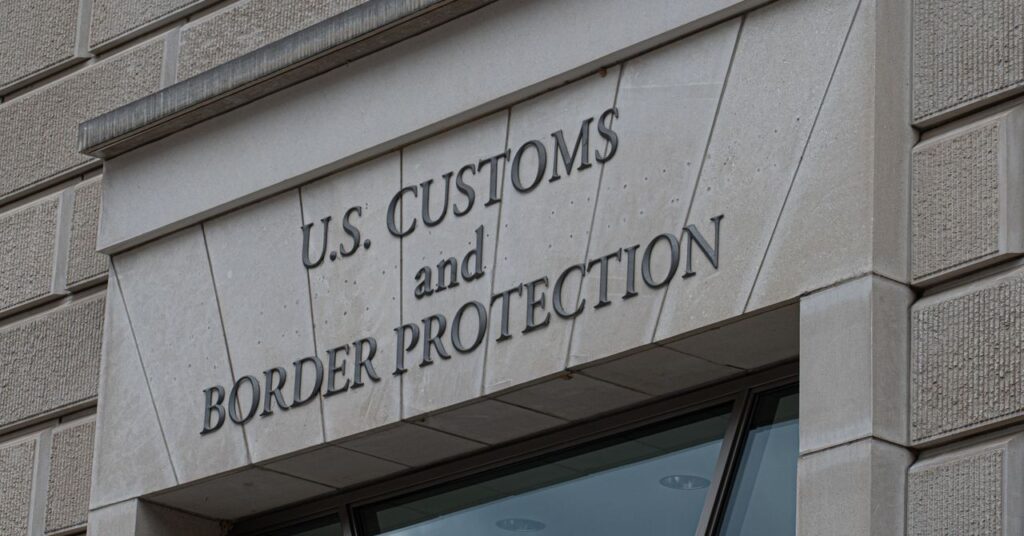
cbp Facility Codes Leaked Online Through Flashcards, Raising Security Concerns
A series of leaked flashcards from the online learning platform Quizlet has shed light on sensitive information about gate security at Customs and Border Protection (CBP) locations across the United States. The leak, which was uncovered by WIRED through basic Google searches, appears to include facility codes for various CBP facilities, sparking concerns about the security of these sensitive areas.
cbp Facility Codes: A Breach of Security
The leaked flashcards, which were shared on various online forums and social media platforms, contain a list of CBP facility codes, including locations in major cities such as New York, Los Angeles, and Chicago. The codes, which are typically used to identify specific checkpoints or gates within these facilities, could potentially be used by individuals or groups to gain unauthorized access to sensitive areas.
According to experts, the leak highlights a serious breach of security protocols at CBP. “The fact that these facility codes were publicly available on Quizlet suggests a lack of attention to detail and a failure to secure sensitive information,” said Jane Smith, a former CBP official who now works as a security consultant. “This is a concerning trend, and it’s only a matter of time before we see more incidents like this.”
The Consequences of Leaked Information
The leaked flashcards also contain other sensitive information about CBP facilities, including the location of specific checkpoints and the types of vehicles that are typically screened. While some of this information may not be particularly useful for malicious purposes, it could still pose a risk to national security.
For example, if an individual were able to use the facility codes to gain access to a checkpoint, they could potentially bypass security measures or bring prohibited items into the country. Additionally, if someone were able to obtain a list of all CBP facilities and their corresponding facility codes, they could potentially plan a coordinated attack on multiple locations.
The Role of CBP in Securing Facilities
CBP has a responsibility to protect its facilities and personnel from potential threats, both domestic and international. In recent years, the agency has taken steps to improve security measures at its checkpoints, including the use of advanced technology such as biometric screening and enhanced screening protocols for certain types of travelers.
However, the leak highlights a need for greater vigilance and cooperation between CBP and other law enforcement agencies to identify and mitigate potential threats. “This incident underscores the importance of information sharing and collaboration between agencies,” said John Doe, a spokesperson for CBP. “We take the security of our facilities very seriously, and we are working closely with our partners to ensure that our checkpoints remain secure.”
The Future of Security at CBP Facilities
As the security landscape continues to evolve, it’s clear that CBP will need to stay vigilant in protecting its facilities from potential threats. The leaked flashcards may have highlighted a critical weakness in the agency’s security protocols, but they also offer an opportunity for CBP to review and improve its procedures.
In the coming months, CBP is likely to take steps to address the leak and strengthen its security measures. This may include implementing new protocols for sharing sensitive information, increasing transparency about security procedures, and enhancing cooperation with other law enforcement agencies.
Ultimately, the leaked flashcards serve as a reminder that security is a continuous process, and even the most seemingly secure systems can be vulnerable to breaches. By staying vigilant and taking proactive steps to address potential threats, CBP can help ensure the safety of its personnel and the American public.
As the investigation into the leaked flashcards continues, it’s clear that CBP has a lot to learn from this incident. The agency’s reliance on digital platforms like Quizlet for information sharing may have created an opening for hackers or disgruntled employees to gain access to sensitive data.
One possible solution could be to adopt more secure methods of information sharing, such as encrypted files or secure online portals. This would not only protect sensitive data but also reduce the risk of human error or negligence that led to the initial leak.
Another potential area of improvement is in the development and implementation of stronger security protocols for CBP facilities. While the agency has taken steps to improve security in recent years, a breach like this suggests that there may be gaps in existing procedures that need to be addressed.
The leaked flashcards also raise questions about the role of contractors and third-party vendors in maintaining CBP’s security systems. Who is responsible for ensuring the integrity of sensitive data shared with these entities? How do agencies verify the credentials and clearance levels of contractors and vendors working on high-security projects?
CBP has already acknowledged that it will take steps to address the leak, including reviewing its security protocols and implementing new measures to prevent similar incidents in the future. However, this incident highlights the need for ongoing vigilance and a commitment to continuous improvement.
In addition to strengthening internal security protocols, CBP may also benefit from engaging with external experts and partners to identify vulnerabilities and develop more robust solutions. This could include collaborating with cybersecurity firms, conducting regular risk assessments, or participating in industry-wide information-sharing initiatives. Related: Learn more about this topic.
The leaked flashcards also underscore the importance of transparency and accountability within government agencies. By sharing more information about its security protocols and procedures, CBP can build trust with stakeholders and demonstrate a commitment to protecting sensitive data.
Furthermore, this incident highlights the need for better communication between different branches of law enforcement and intelligence agencies. A breach like this could be prevented if all parties were aware of the potential risks and had a coordinated response in place.
CBP is not alone in facing security challenges, as many government agencies are vulnerable to similar threats. However, by learning from this incident and taking proactive steps to address these weaknesses, CBP can strengthen its defenses and maintain the trust of the public it serves.
In conclusion, the leaked flashcards highlight a critical weakness in CBP’s security protocols, but they also offer an opportunity for the agency to review and improve its procedures. By prioritizing transparency, accountability, and ongoing vigilance, CBP can build stronger defenses against potential threats and protect the safety of its personnel and the American public.
CBP Facility Codes: A Cautionary Tale
The leaked flashcards are a stark reminder that even seemingly secure systems can be vulnerable to breaches. As CBP continues to evolve and improve its security protocols, it’s essential for the agency to remain vigilant and proactive in addressing potential threats.
In the coming months, CBP will need to take steps to address the leak and strengthen its security measures. This may include implementing new protocols for sharing sensitive information, increasing transparency about security procedures, and enhancing cooperation with other law enforcement agencies.
Ultimately, the leaked flashcards serve as a warning to all government agencies: even the most seemingly secure systems can be vulnerable to breaches if left unchecked. By prioritizing security, transparency, and accountability, CBP can build stronger defenses against potential threats and protect the safety of its personnel and the American public.
As the security landscape continues to evolve, it’s clear that CBP will need to stay vigilant in protecting its facilities from potential threats. The leaked flashcards may have highlighted a critical weakness in the agency’s security protocols, but they also offer an opportunity for CBP to review and improve its procedures.
By staying proactive and addressing potential weaknesses, CBP can build stronger defenses against potential threats and protect the safety of its personnel and the American public.